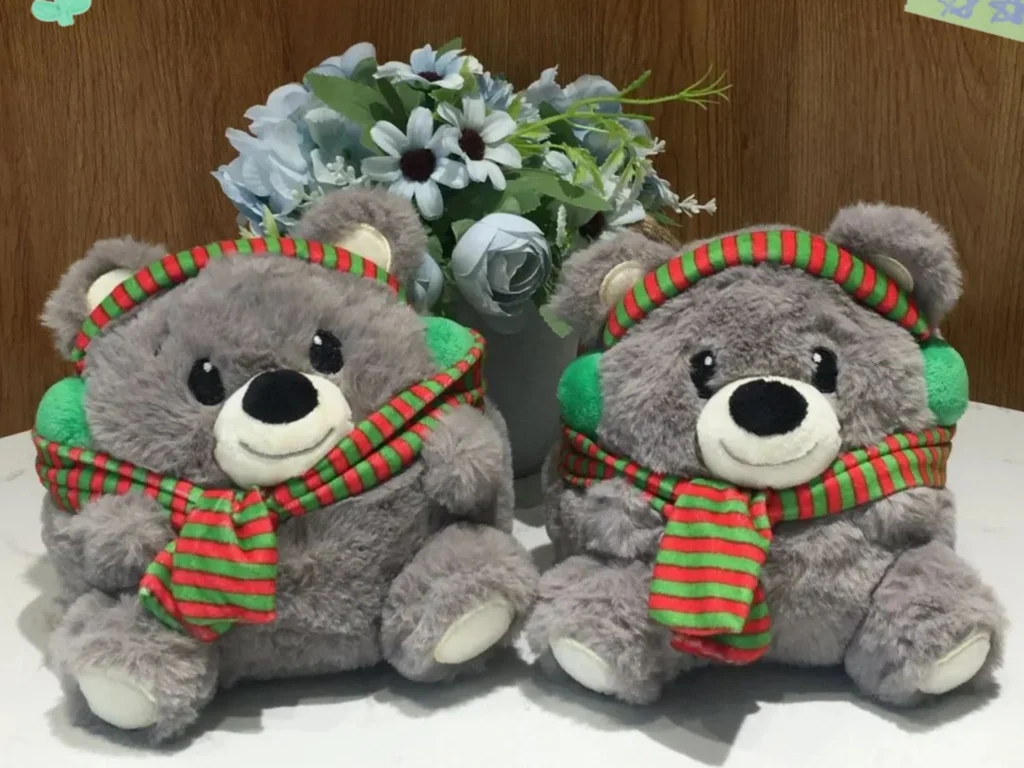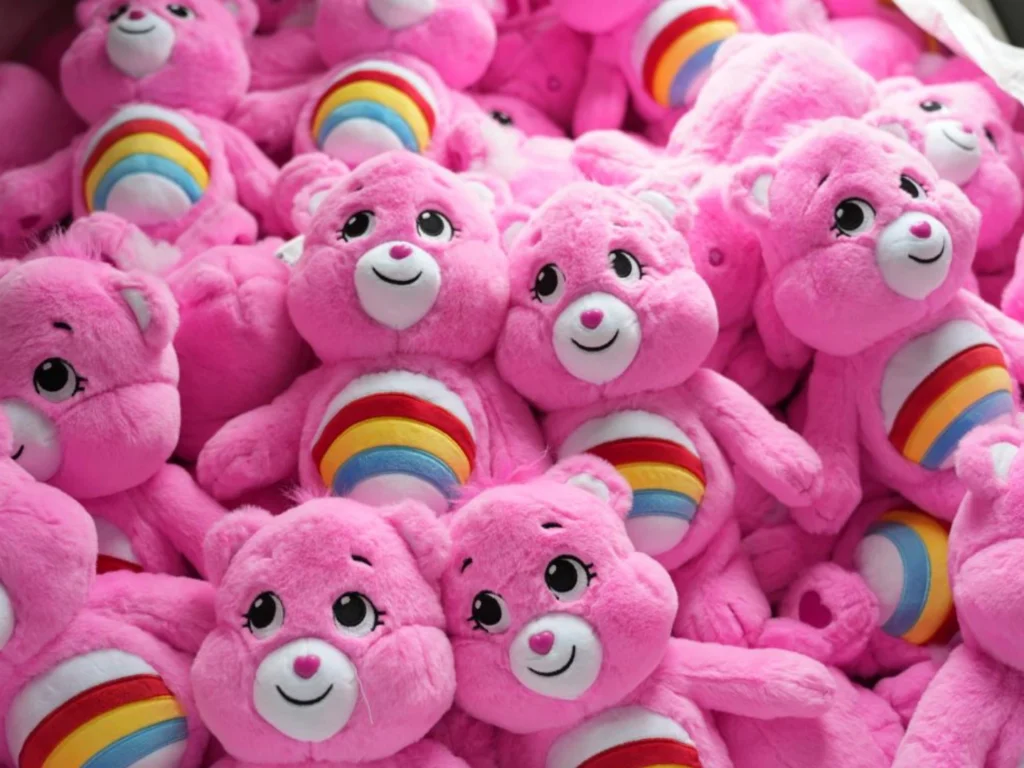
In today’s global custom merchandise market, custom plush toy development has become an important way for brands to extend their identity and connect with customers. From character licensing to promotional campaigns, plush products are widely used across retail, entertainment, and marketing industries. Turning an idea into a finished product, however, requires a clear and reliable plush toy manufacturing process.
Before You Start Your Custom Plush Project
Before starting a custom plush project, it is important to prepare clear product information to ensure smooth communication and accurate quotation. Having a basic understanding of your design direction, material preference, and order requirements will help the manufacturer evaluate your project more efficiently.
Key information typically includes:
- Design artwork or reference images
- Target size and usage
- Estimated quantity (MOQ 200 pcs)
- Fabric or material preferences
- Packaging or branding requirements
Step 1. Send Your Idea
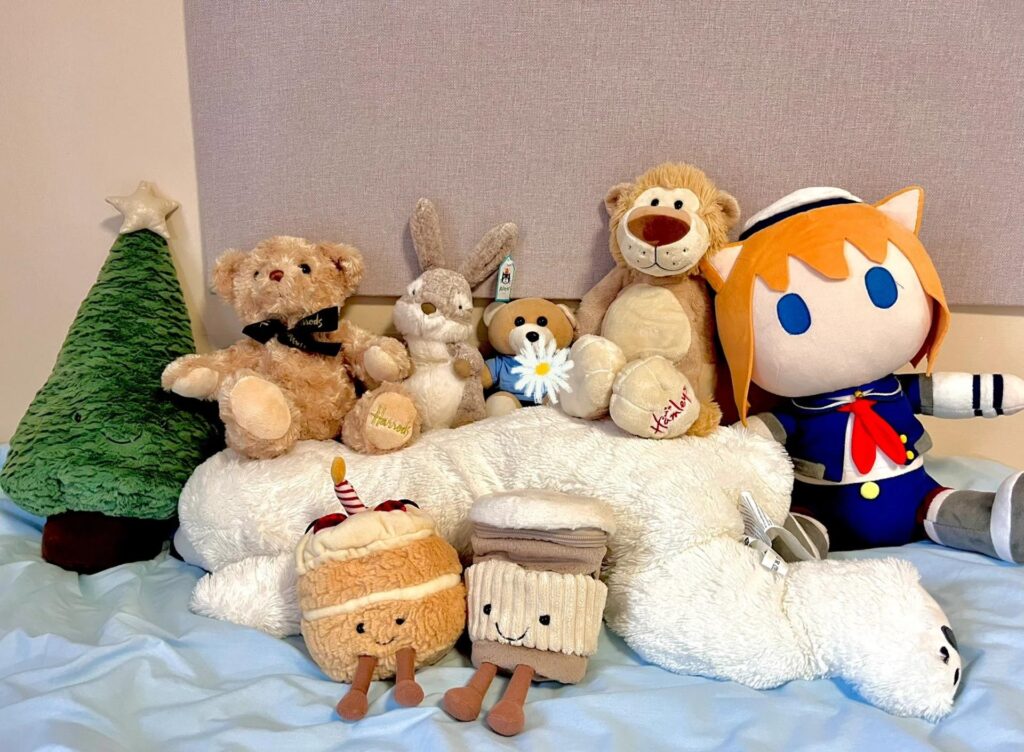
The first step is to share your concept with the manufacturer. This can be a hand-drawn sketch, a digital illustration, a character design, or even a reference image. At this stage, the goal is not perfection, but clear communication of your creative direction so the development team can understand the basic structure and style of the product.
Step 2. Confirm Specifications & Get a Quote
After receiving your idea, the next step is to define the product specifications and prepare a detailed quotation. This stage focuses on turning your concept into a clearly defined production plan, including all key details that will affect cost and manufacturing.
Typical specifications include:
- MOQ (200 pcs)
- Size and dimensions
- Fabric selection
- Filling material
- Packaging type
- Quantity and customization details
Step 3. Design & Sample Development
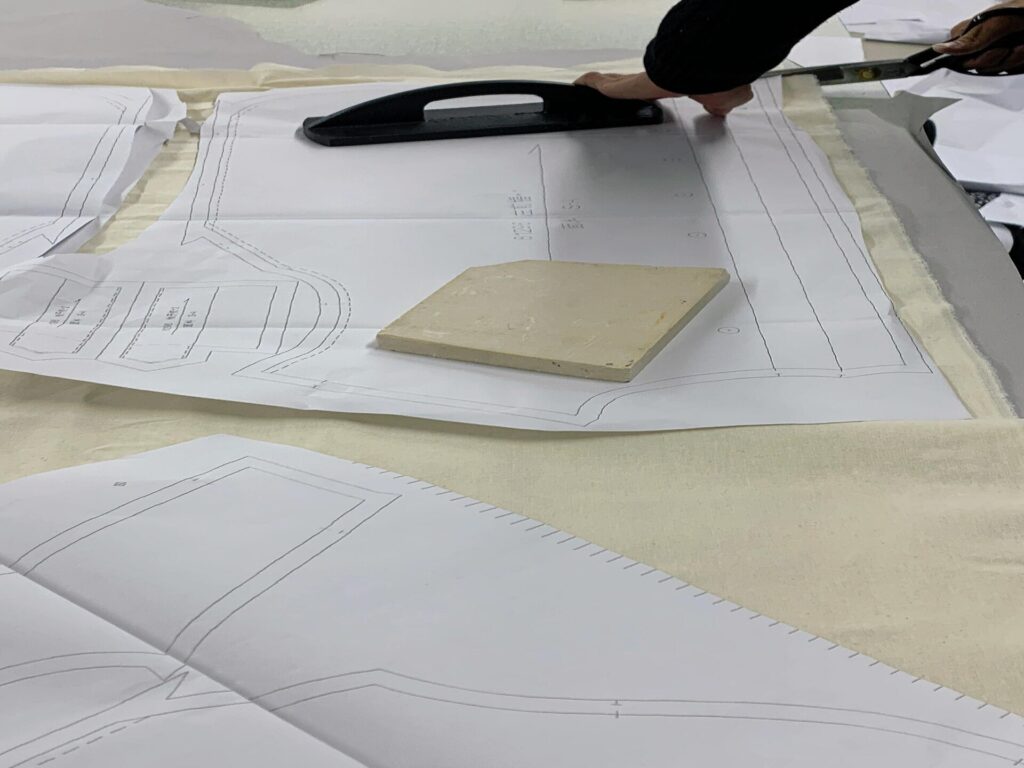
Once the specifications are confirmed, the project moves into the sampling stage. At this point, the design is converted into a physical prototype through pattern making, material selection, and sample production. This step is essential for evaluating structure, appearance, and overall quality before mass production.
During this stage, stuffed toy making patterns are created to define the internal structure and shape of the plush. The sample is then developed based on these patterns, allowing both sides to review proportions, stitching details, facial expression, and material combinations.
It is also the key stage for design optimization. Clients are encouraged to provide clear and practical feedback on the sample, including adjustments to shape, embroidery position, color matching, or fabric selection. Most improvements should ideally be finalized at this stage to avoid unnecessary revisions during mass production, ensuring a smoother and more efficient production process.
Step 4. Approve Sample & Start Production
Once the sample is completed, it will be sent for final review and approval. This stage ensures that all details, including shape, size, materials, colors, and craftsmanship, meet the expected requirements. After confirmation, the project officially moves into mass production. At this point, no further structural changes are typically made, as production planning, material sourcing, and manufacturing schedules are finalized to ensure consistency and efficiency.
Step 5. Production & Quality Inspection
After the sample is approved, mass production begins according to the final specifications and production schedule. A reliable plush toy manufacturer should follow the approved sample throughout production, ensuring every detail—from materials and construction to branding and packaging—is produced consistently.
Quality control should cover every stage of manufacturing, including raw material inspection, fabric cutting, sewing, embroidery, stuffing, assembly, and final finishing. Critical safety checks, such as needle detection, should also be performed before packaging to help ensure product safety and compliance with international standards such as ASTM(https://www.astm.org/f963-23.html), EN71, and CPSIA.
A professional manufacturer should also maintain a transparent production process. Production photos, videos, or progress updates can be provided upon request, allowing customers to remotely monitor manufacturing and confirm that the products match the approved sample.
Before shipment, each order should be inspected against the final approved specifications, including filling materials, embroidery, labels, hang tags, logos, packaging methods, and overall workmanship. This helps ensure every finished plush toy meets the expected quality before delivery.
Step 6. Packaging & Worldwide Delivery
Once production is complete and all inspections have been passed, the products are carefully packed according to the confirmed packaging requirements. Depending on the project, this may include individual poly bags, retail gift boxes, custom hang tags, branded labels, barcode stickers, or other retail-ready packaging solutions.
The shipping method is then arranged based on your timeline, budget, and destination. Whether by express courier, air freight, or sea freight, a professional manufacturer will help coordinate logistics, provide the necessary shipping documents, and ensure your order arrives safely and on schedule.
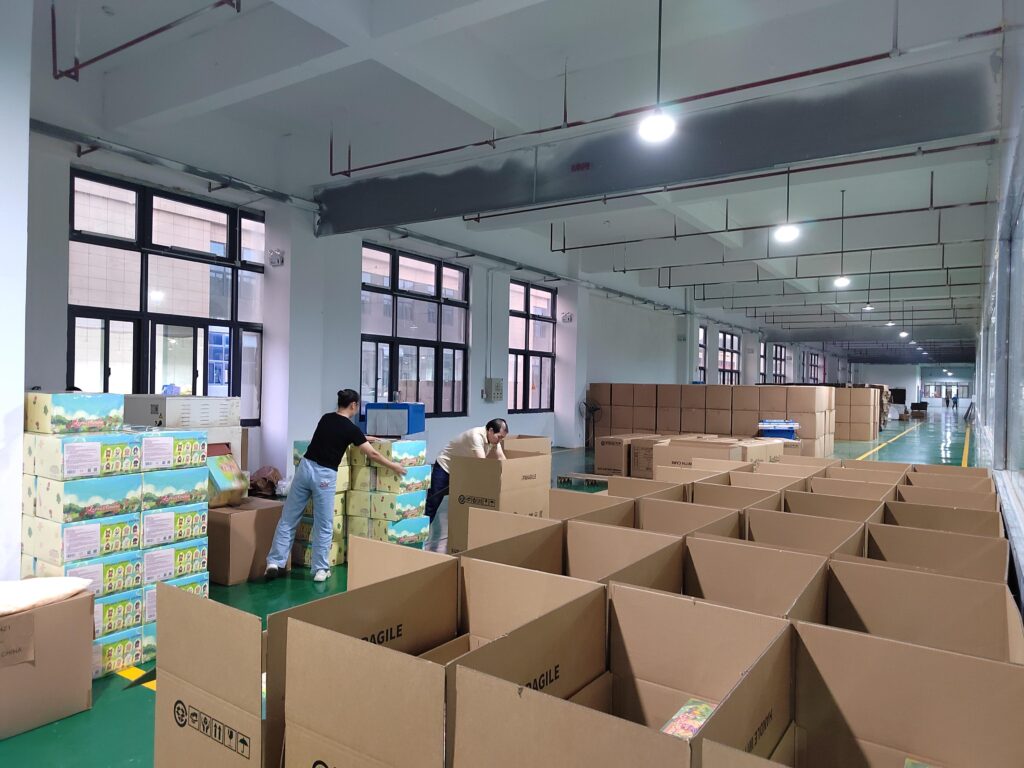
Why Choose WehaoPlush
Professional OEM & ODM Manufacturing
With years of manufacturing experience, we support custom plush projects from concept development and sampling to mass production, helping brands bring their ideas to market efficiently.
Transparent Production Process
We keep every project transparent by providing production updates, photos, or videos upon request, so you can track progress and stay informed throughout manufacturing.
Strict Quality & Safety Control
Every order follows multiple quality inspections, including material verification, workmanship checks, and needle detection before shipment to help ensure consistent quality and product safety.
Flexible Customization Solutions
From fabrics and fillings to embroidery, labels, hang tags, and packaging, every detail can be customized to match your brand and product requirements.
Flexible MOQ & Reliable Production
Flexible minimum order quantities and stable production capacity allow us to support both small trial orders and large-scale manufacturing with dependable lead times.
Worldwide Delivery Support
We provide complete export support with worldwide shipping solutions, helping customers receive their orders safely and efficiently.
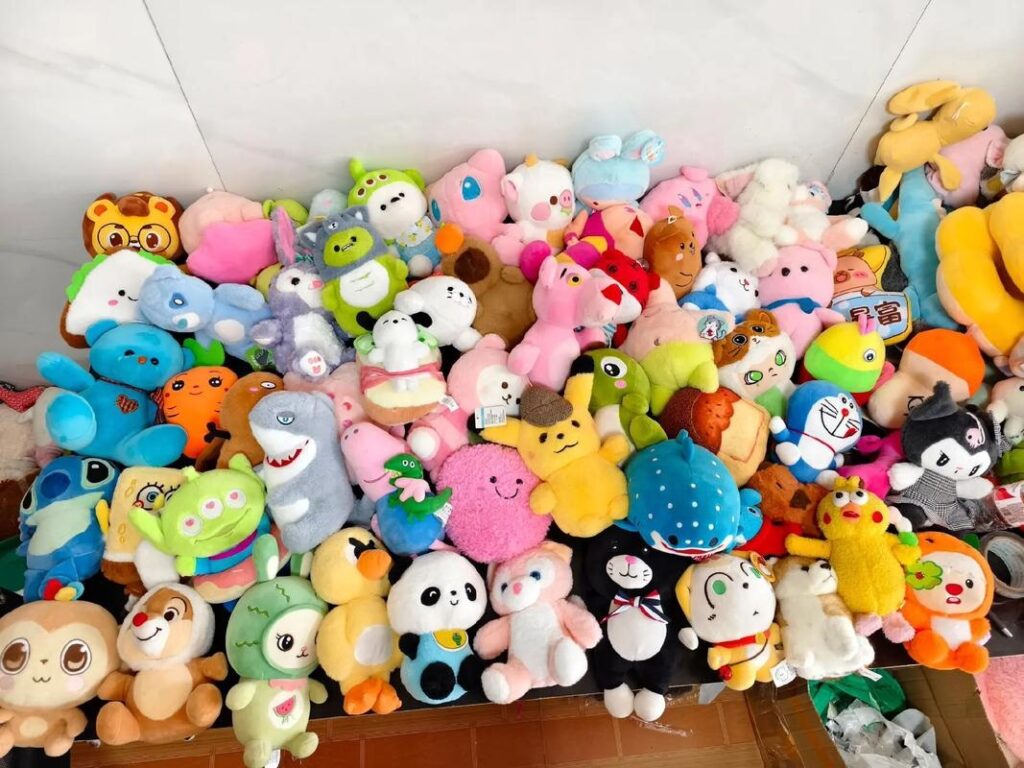
FAQ
1. What is the minimum order quantity (MOQ) for custom plush toys?
Our standard MOQ is 200 pieces, depending on the product size, design complexity, materials, and customization requirements. If you have a special project, feel free to contact us to discuss the most suitable production solution.
2. How long does it take to make a custom plush toy?
Sample development usually takes 5-10 days, while mass production generally requires 15-25 days, depending on the order quantity and production schedule.
3. What information should I provide before starting a custom plush project?
To help us evaluate your project efficiently, we recommend preparing design artwork or reference images, preferred size, estimated quantity, material preferences, and any branding or packaging requirements. The more information you provide, the faster we can develop an accurate quotation and production plan.
4. Can I request changes after receiving the sample?
Yes. Sample development is an important stage for reviewing the product before mass production. If adjustments are needed, such as the shape, embroidery, colors, materials, or other details, revisions can be made before final approval.
5. Do you offer custom packaging and international shipping?
Yes. We provide a variety of custom packaging options, including hang tags, labels, retail packaging, and branded solutions. We also support worldwide shipping by express, air freight, or sea freight, depending on your delivery requirements.
Ready to bring your idea to life?
Contact WehaoPlush for a free quotation, or explore our Custom Plush Collection to discover different product styles, customization options, and manufacturing solutions.
Read our OEM & ODM production guide to learn more about the full manufacturing process from concept to mass production.