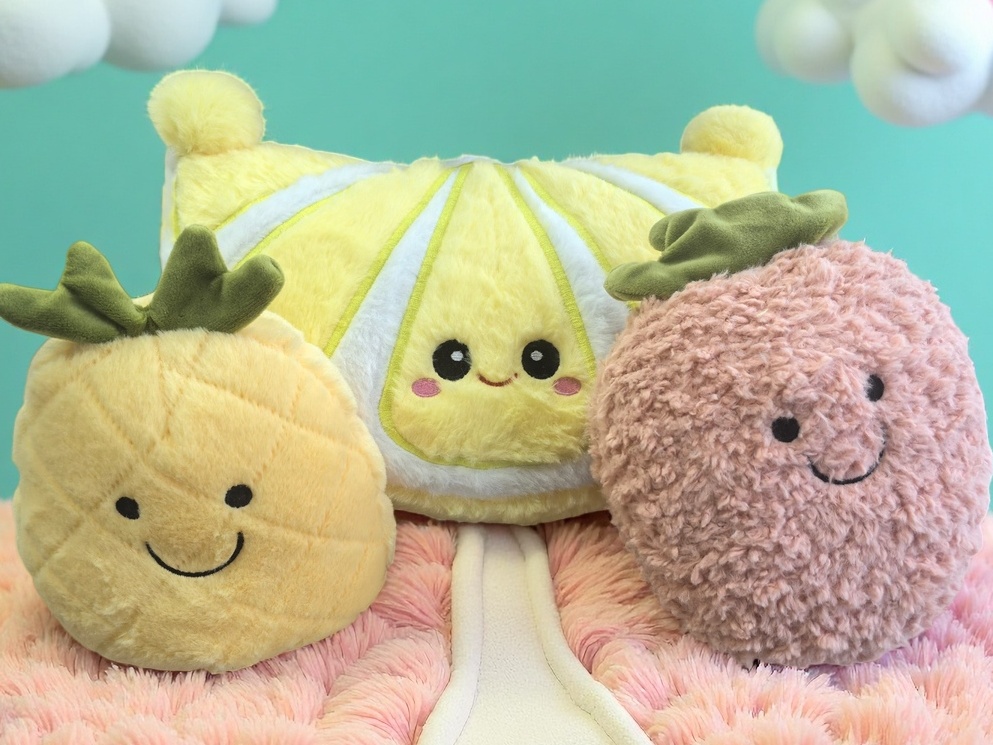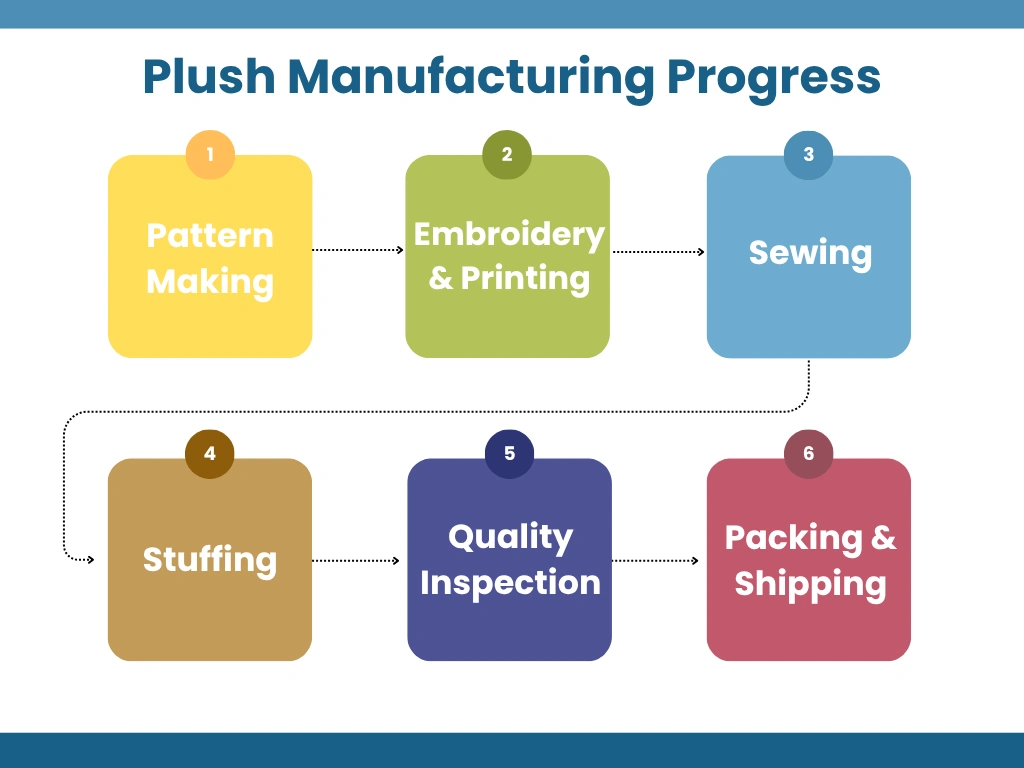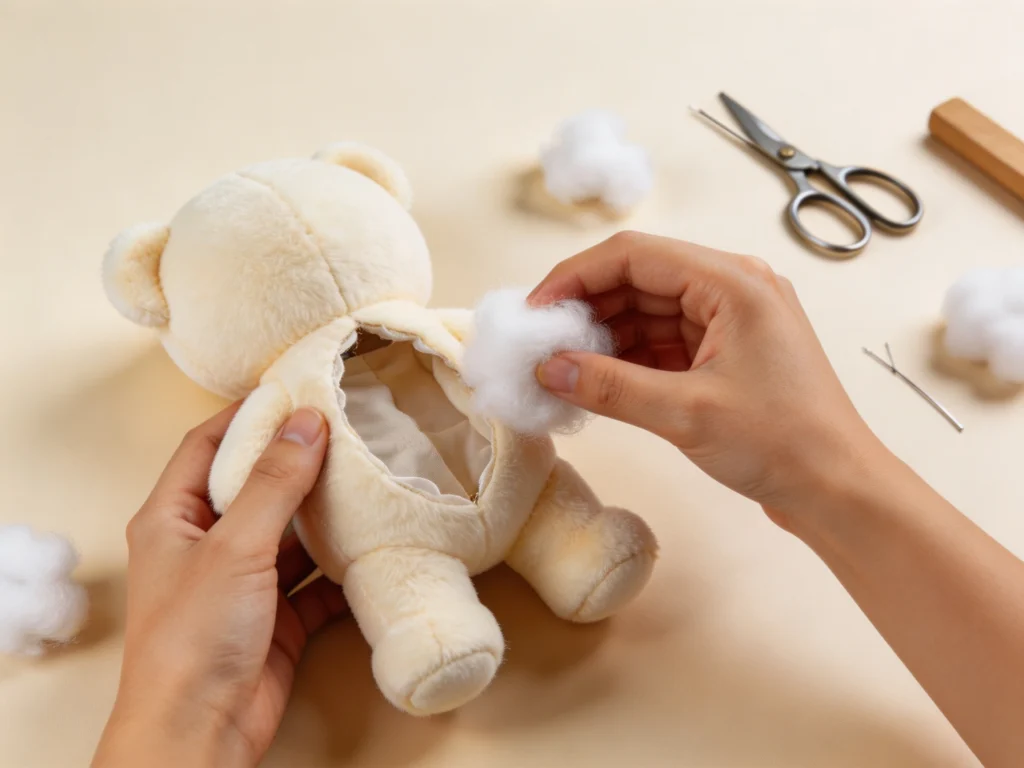
The best plush toy fabric depends on the product purpose, design requirements, and production goals. There is no single fabric that works for every plush toy. Short plush fabric is often chosen for durable and cost-effective products, minky fabric plush is preferred for premium and ultra-soft designs, while faux fur and other specialty materials are commonly used for unique textures and high-end appearances. Choosing the right material requires balancing softness, durability, appearance, decoration methods, and budget.
This guide covers the most common plush toy fabric types, including their features, advantages, limitations, and typical applications. By understanding the differences between each material, brands and product developers can select the most suitable soft Plush fabric for custom plush toys, stuffed animals, character merchandise, and other plush products.
How to Choose Plush toy Fabric
The right plush fabric should be selected based on your product type, design requirements, production process, and budget rather than softness alone. A premium collectible plush, a children’s stuffed animal, and a promotional plush keychain often require different materials because each product has different expectations for appearance, durability, and cost.
The most important factors when choosing a plush toy fabric include softness, durability, pile length, appearance, decoration requirements, and price. Soft and dense fabrics can create a more premium touch, while shorter pile fabrics are usually easier to process and more suitable for embroidery or detailed designs. For large-volume production, balancing material performance and cost is essential to achieve consistent quality without increasing unnecessary expenses.
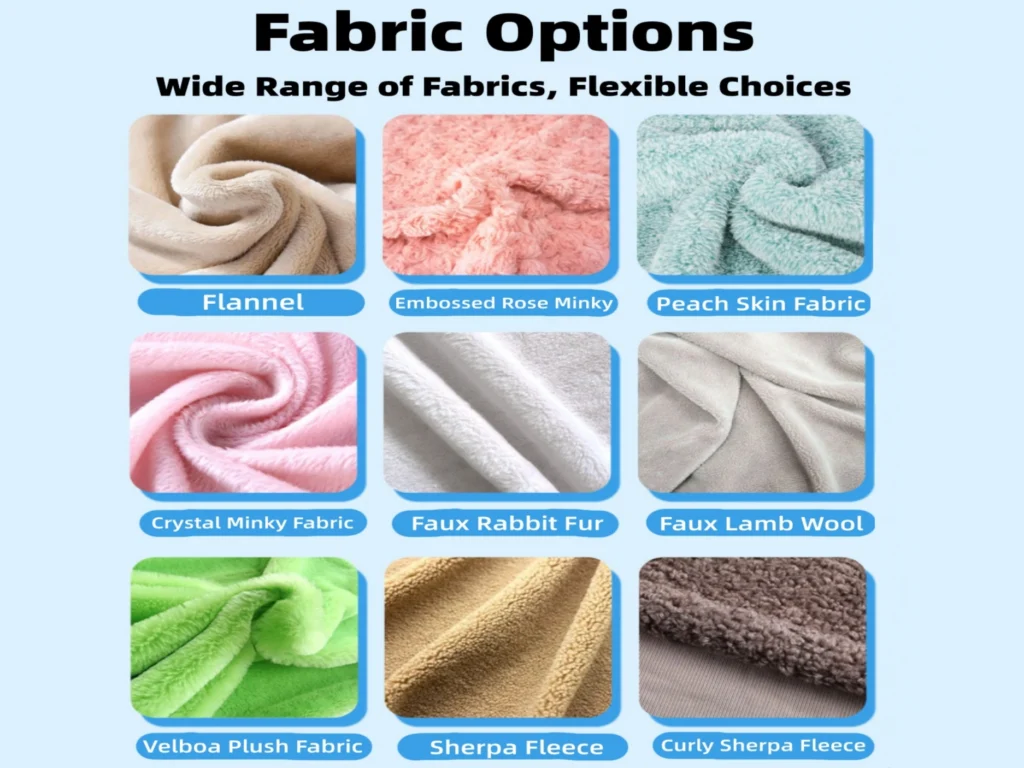
Quick plush Toy Fabric Comparison Table
The best plush toy fabric depends on the balance between softness, durability, appearance, processing requirements, and budget. The comparison table below provides a quick overview of the most commonly used plush fabric types and helps brands identify suitable materials for different product applications.
| Fabric Type | Softness | Durability | Cost Level | Best Decoration Methods | Common Applications |
|---|---|---|---|---|---|
| Short Plush | ★★★★☆ | ★★★★★ | Low-Medium | Embroidery, Printing, Heat Transfer | Plush toys, plush keychains, promotional products |
| Minky Fabric | ★★★★★ | ★★★★☆ | Medium-High | Embroidery, Heat Transfer | Premium plush toys, character plush, baby plush |
| Velboa | ★★★★☆ | ★★★★☆ | Low | Embroidery, Basic Printing | Budget plush toys, promotional plush |
| Faux Fur | ★★★★★ | ★★★☆☆ | High | Limited embroidery, special designs | Collectible plush, animal plush, luxury products |
| Crystal Super Soft | ★★★★★ | ★★★★☆ | Medium | Embroidery, Printing | Kawaii plush, soft plush toys |
| Velvet | ★★★★☆ | ★★★☆☆ | Medium-High | Embroidery | Decorative plush, premium designs |
| Sherpa | ★★★★★ | ★★★☆☆ | Medium-High | Embroidery | Animal plush, home decor plush |
| Flannel | ★★★☆☆ | ★★★★☆ | Low-Medium | Printing, Embroidery | Simple plush designs, fabric-based toys |
| Cotton Fabric | ★★★☆☆ | ★★★★★ | Medium | Printing, Embroidery | Doll clothing, fabric plush details |
| Coral Fleece | ★★★★☆ | ★★★★☆ | Low-Medium | Embroidery, Printing | Soft toys, blankets, plush accessories |
10 Most Common Plush Fabrics
The most commonly used plush toy fabric in the manufacturing industry includes short plush, minky, velboa, faux fur, crystal super soft, velvet, sherpa, flannel, cotton, and coral fleece. Each material offers different advantages in softness, appearance, durability, and production performance. The right choice depends on the product style, target market, decoration requirements, and expected price range.
1. Short Plush Fabric
Short plush fabric is one of the most widely used materials for custom plush toys because it offers an excellent balance of softness, durability, processing performance, and cost. Made from polyester fibers with a short, dense pile, it provides a smooth surface that is easy to cut, sew, embroider, and print, making it suitable for a wide range of plush products.
Most modern plush fabrics are manufactured using polyester because it offers excellent durability, color retention, and production consistency. According to Textile Exchange, polyester continues to be one of the world’s most widely used textile fibers.
Why Choose This Fabric?
- Soft and comfortable for everyday plush toys
- Durable enough for frequent handling and long-term use
- Easy to embroider, print, and sew
- Cost-effective for medium and large production runs
Limitations
- Less luxurious than premium fabrics such as minky
- Cannot create the fluffy appearance of long-pile fabrics like faux fur
Common Applications
- Stuffed animals
- Plush keychains
- Mascot plush
- Promotional plush toys
- Character plush
Best For: Custom plush toys, plush keychains, mascots, and large-volume production.
2. Minky Fabric Plush
Minky fabric plush is a premium plush material known for its ultra-soft touch, smooth surface, and luxurious appearance. Made from fine polyester fibers with a dense pile, it offers exceptional comfort and a high-quality finish, making it one of the most popular fabrics for premium plush toys, character merchandise, and baby products.
Why Choose This Fabric?
- Ultra-soft and smooth texture
- Premium appearance with excellent customer appeal
- Ideal for embroidery and detailed character designs
- Popular for collectible and high-value plush products
Limitations
- Higher material cost than standard plush fabrics
- Some printing methods may produce less detailed results than on shorter pile fabrics
Common Applications
- Character plush
- Collectible plush toys
- Baby plush products
- Premium merchandise
- Gift plush
Best For: Premium plush toys, character plush, baby products, and high-value merchandise.
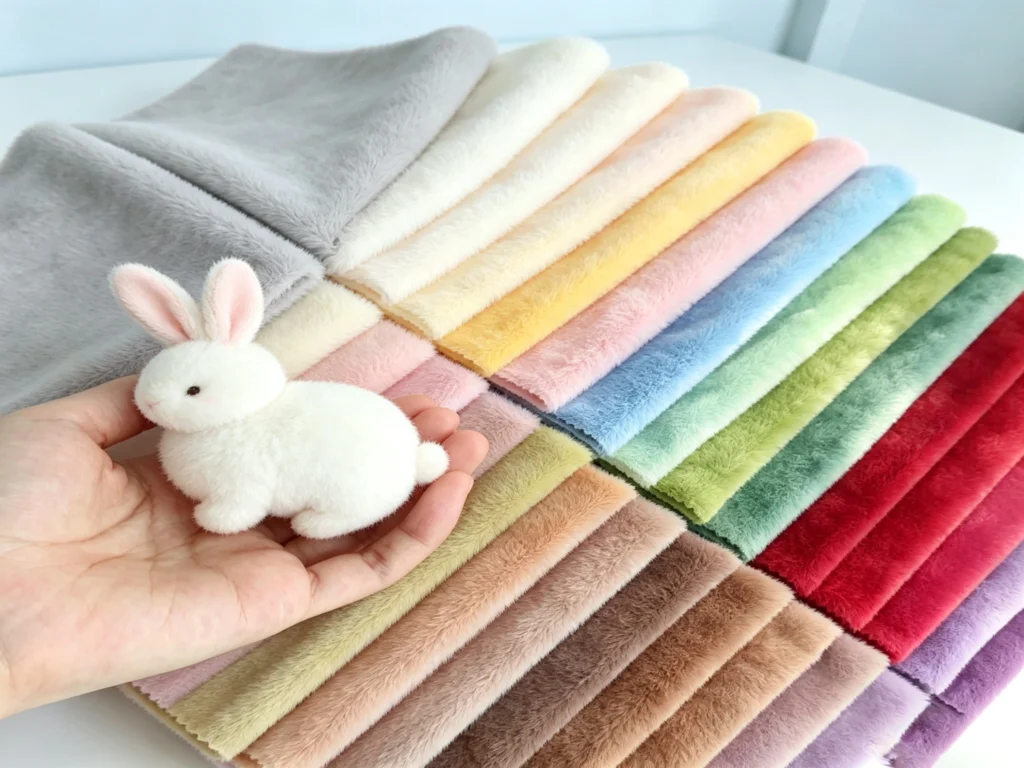
3. Velboa Fabric
Velboa fabric is a short-pile plush material with a smooth surface, good durability, and excellent cost-effectiveness. Its fine texture and stable production performance make it a popular choice for mass-produced plush toys and promotional products.
Why Choose This Fabric?
- Smooth and consistent surface
- Cost-effective for bulk production
- Suitable for embroidery and basic printing
- Durable and easy to manufacture
Limitations
- Softer than many fabrics but less luxurious than minky
- Not suitable for products requiring a fluffy texture
Common Applications
- Promotional plush toys
- Character plush
- Animal plush
- Plush giveaways
Best For: Budget-friendly plush toys, promotional products, character plush, and large-scale production.
4.Faux Fur Fabric
Faux fur fabric is a long-pile plush material designed to create a realistic, fluffy, and premium appearance. Its long fibers add volume and texture, making it a popular choice for animal plush toys, collectible plush, and luxury plush products. Compared with standard plush fabrics, faux fur delivers a more natural fur-like effect and stronger visual impact.
Why Choose Faux Fur?
- Creates a realistic and luxurious appearance
- Available in different pile lengths and textures
- Ideal for premium and collectible plush products
- Adds depth and visual interest to character designs
Limitations
- More difficult to cut, sew, and embroider due to the long pile
- Higher material and production costs than standard plush fabrics
Common Applications
- Animal plush toys
- Collectible plush
- Fantasy and character plush
- Home décor plush
- Luxury plush products
Best For: Animal plush, collectible toys, luxury plush products, and designs requiring a realistic fur effect.
5. Crystal Super Soft Fabric
Crystal super soft fabric is a lightweight plush material known for its soft touch and smooth surface. It provides a comfortable feel while remaining more cost-effective than many premium fabrics, making it a popular choice for cute plush toys and baby products.
Best For: Kawaii plush toys, baby plush, soft character plush, cushions, and plush accessories.
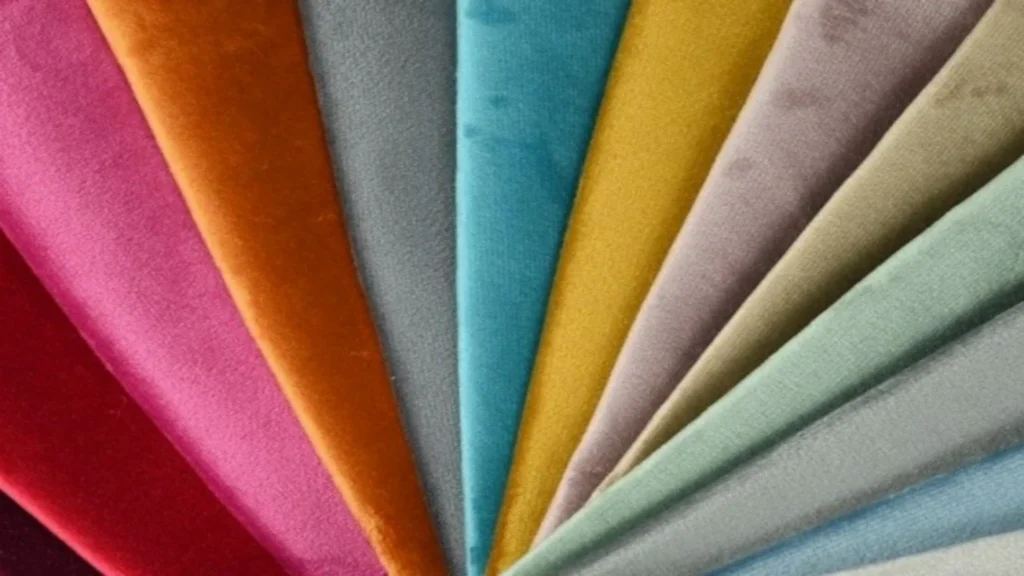
6. Velvet Fabric
Velvet fabric features a smooth, elegant surface that gives plush products a refined and premium appearance. It is often chosen for decorative plush toys and fashion-inspired designs where visual presentation is a priority.
Best For: Decorative plush, premium character plush, doll accessories, and luxury plush products.
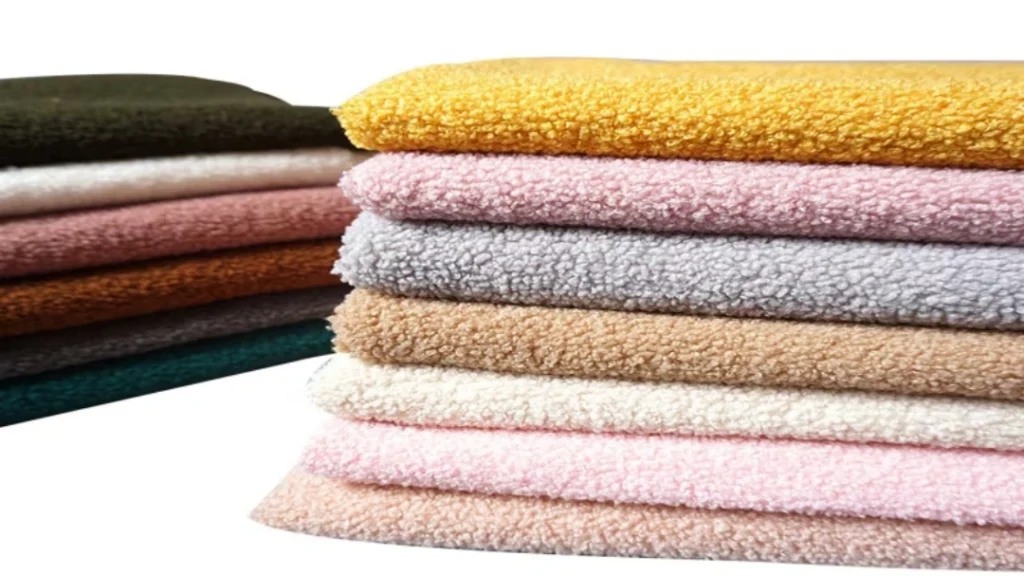
7. Sherpa Fabric
Sherpa fabric has a fluffy, wool-like texture that creates a warm and cozy appearance. Its unique curly surface makes it popular for seasonal plush products, home décor items, and animal-themed plush toys.
Best For: Animal plush, home décor plush, winter collections, and cozy plush products.
8. Flannel Fabric
Flannel fabric is a lightweight and affordable material that offers a soft touch and easy processing. It is commonly used for plush accessories, fabric details, and simple plush products where comfort and cost are important.
Best For: Plush accessories, fabric toys, simple plush products, and budget-conscious projects.
9. Cotton Fabric
Cotton fabric is commonly used for doll clothing, plush accessories, and mixed-material plush designs. Although it does not have a fluffy surface, it provides a natural appearance, good breathability, and excellent versatility.
Best For: Doll clothing, plush details, fabric accessories, and mixed-material plush products.
10. Coral Fleece Fabric
Coral fleece fabric is a soft, lightweight, and budget-friendly material widely used for plush products that emphasize comfort. Its gentle texture makes it suitable for blankets, cushions, and soft toys.
Best For: Soft toys, blankets, cushions, plush accessories, and economical plush products.
How to Compare Similar Plush Fabrics
The best way to compare similar plush fabrics is to evaluate softness, appearance, durability, processing requirements, and cost based on your specific product goals. Many fabrics may look similar at first, but small differences in pile length, surface texture, and manufacturing performance can significantly affect the final product.
Minky vs Short Plush
Minky is usually better for premium plush products that prioritize softness and luxury, while short plush is a more practical choice for cost-effective and large-volume production. Minky provides a smoother and more premium touch, making it suitable for collectible plush and high-value character products. Short plush offers better cost control, easier processing, and strong durability, making it widely used for plush toys, mascots, and promotional products.
Short Plush vs Velboa
Short plush and Velboa are both common choices for standard plush products, but short plush usually provides a slightly softer feeling while Velboa offers a smoother and more uniform surface. If your design requires clear embroidery details and a balance between quality and cost, both materials can work well depending on the desired appearance.
Faux Fur vs Short Plush
Faux fur is ideal for realistic, premium, or visually unique plush designs, while short plush is better suited for everyday products that require efficiency and affordability. Long-pile faux fur creates a stronger visual impact but requires more attention during manufacturing. Short plush is easier to control and more suitable for consistent mass production.
When selecting between similar materials, brands should consider not only how the fabric feels but also how it performs during production and how it supports the product’s final market positioning.
Choosing Fabric by Product Type
The best plush fabric depends on the product type, design requirements, and expected usage. Different plush products require different balances between softness, durability, appearance, and cost.
| Product Type | Recommended Fabrics | Why |
|---|---|---|
| Stuffed Animals | Short Plush, Minky, Crystal Super Soft | Soft texture, comfortable touch, and suitable for different quality levels |
| Plush Keychains | Short Plush, Velboa | Easy to process, maintains shape, and cost-effective for bulk production |
| Character Plush / IP Plush | Minky, Short Plush, Faux Fur | Supports detailed designs and creates a premium customer experience |
| Mascot Plush | Short Plush, Velboa | Good durability, stable production, suitable for embroidery and logos |
| Baby Plush Toys | Minky, Crystal Super Soft | Extra soft touch and comfortable surface |
| Collectible Plush | Minky, Faux Fur, Velvet | Premium appearance and unique texture |
Choosing Fabric by Decoration Method
The best plush fabric for decoration depends on how the design will be applied, because different materials perform differently with embroidery, printing, and other finishing techniques. Choosing a fabric that matches the decoration method helps achieve clearer details, better durability, and a more consistent final appearance.
| Decoration Method | Recommended Fabrics | Why |
|---|---|---|
| Embroidery | Short Plush, Minky, Velboa, Crystal Super Soft | Short and smooth surfaces provide clearer details and cleaner stitching |
| Heat Transfer | Short Plush, Minky, Crystal Super Soft | Suitable for adding logos, patterns, and color details |
| Screen Printing | Short Plush, Velboa, Cotton Fabric | Flatter surfaces usually provide better printing clarity |
| Sublimation Printing | Polyester-Based Fabrics with Light Colors | Works best on suitable synthetic materials for color transfer |
| Woven Label / Fabric Details | Short Plush, Minky, Cotton Fabric | Easy to attach and suitable for brand details or accessories |
Choosing Fabric by Budget
The right plush fabric should match your target budget while maintaining the required quality, appearance, and customer experience. Higher-priced fabrics usually provide a softer touch or more premium appearance, while cost-effective materials are often better suited for large-volume production.
| Budget Level | Recommended Fabrics | Suitable For |
|---|---|---|
| Budget-Friendly | Velboa, Short Plush, Coral Fleece | Promotional plush, giveaways, large-volume orders |
| Mid-Range | Short Plush, Crystal Super Soft, Minky | Standard plush toys, character plush, branded products |
| Premium | Minky, Faux Fur, Velvet, Sherpa | Collectible plush, luxury products, high-end merchandise |
FAQ
What is the best plush toy fabric?
The best plush toy fabric depends on the product requirements, including softness, appearance, durability, decoration methods, and budget. Minky is often chosen for premium plush products because of its ultra-soft feel, while short plush is one of the most versatile options for general plush toys due to its balance of quality and cost.
What fabric is commonly used for stuffed animals?
Short plush, minky, crystal super soft, and faux fur are commonly used for stuffed animals. Short plush is suitable for everyday stuffed animals, minky works well for premium designs, crystal super soft is ideal for soft and cute products, and faux fur is often used for realistic animal plush.
What is the difference between minky and short plush?
The main difference between minky and short plush is the surface texture, softness level, and price positioning. Minky has a smoother and more premium touch, making it suitable for high-end plush products, while short plush offers better cost efficiency and is more commonly used for large-volume production.
Which plush fabric is best for embroidery?
Short plush, minky, and velboa are commonly suitable for embroidery because their relatively smooth surfaces allow clearer stitching and detailed designs. The ideal fabric choice also depends on the embroidery size, pattern complexity, and desired visual effect.
Which plush fabric is the softest?
Minky and crystal super soft are considered some of the softest plush fabrics commonly used in plush manufacturing. Minky provides a smoother and more luxurious touch, while crystal super soft offers a lightweight and comfortable feeling at a more affordable price point.
How do I choose plush fabric for my custom plush project?
Choose plush fabric based on your product purpose, design requirements, and budget. For example, choose minky for a softer touch, short plush for better durability and cost control, and faux fur for a realistic premium appearance. If you need help selecting the right material, our professional team can provide timely advice based on your project requirements.
Continue Learning About Custom Plush Manufacturing
Choosing the right plush toy fabric is only the first step in creating a successful plush product. If you’re planning a custom plush project, you may also find these guides helpful for understanding the manufacturing process and bringing your ideas to life.
👉 How to Make a Custom Plush Toy: A Step-by-Step Guide
Learn how a plush toy goes from an idea to a finished product, including design confirmation, sampling, production, and quality inspection.
👉 Plush Manufacturing Process Explained
Explore how professional plush toys are manufactured, from material selection and pattern making to embroidery, sewing, stuffing, and final packaging.