
Choosing the right manufacturer for custom plush toys is essential for brands, retailers, and IP owners creating high-quality plush products. A professional manufacturer should provide support from design and material selection to sampling, production, and quality control. Since suppliers vary in experience and capabilities, buyers should consider more than just price when selecting a partner.
This guide explains how to choose a suitable custom plush manufacturer by evaluating project requirements, manufacturer experience, production capabilities, materials, safety standards, MOQ, quality control, and communication support.
Key Factors to Consider When Choosing a Custom Plush Toy Manufacturer
Choosing the right custom plush toy manufacturer requires evaluating more than just price. Buyers should consider key factors such as experience, production capabilities, quality control, and communication support before selecting a manufacturing partner.
| Evaluation Area | What Buyers Should Check |
|---|---|
| Manufacturer Experience | Previous custom plush projects, industry experience, and ability to handle similar product requirements |
| Manufacturing Capability | Design support, pattern development, sample process, and mass production ability |
| Materials & Safety Standards | Fabric options, filling materials, and compliance with requirements such as ASTM F963, EN71, and CPSIA |
| MOQ & Pricing | Minimum order quantity, cost structure, production flexibility, and overall value |
| Quality Control | Material inspection, sample approval, production checks, needle detection, and final inspection |
| Communication & Support | Response speed, professional advice, project updates, and problem-solving ability |
1. Define Your Custom Plush Toys Project Requirements
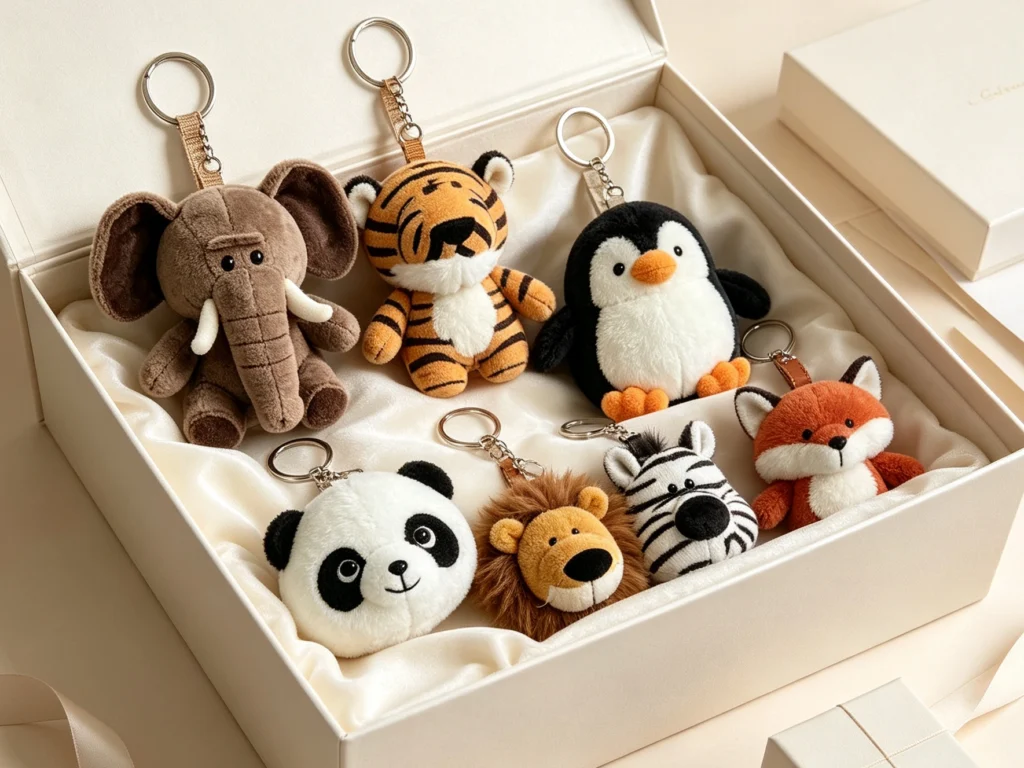
Before contacting a custom plush toy manufacturer, buyers should prepare basic project information, including product type, design requirements, order quantity, and production timeline. Clear project details help suppliers better understand customer needs and provide more accurate recommendations.
2. Check the Manufacturer’s Experience and Previous Projects
A manufacturer’s experience is an important factor when choosing a custom plush toy manufacturer. Buyers should review previous projects, custom animal plush manufacturing experience, and industry knowledge to evaluate whether the supplier can support their product requirements from development to mass production.
3. Evaluate Their Custom Plush Manufacturing Capabilities
Not every plush supplier can provide complete OEM services. A professional custom plush manufacturer should support the process from product development and sampling to mass production, with the experience and production capabilities needed to create reliable plush products.
Design and Development Support
A capable manufacturer should support design suggestions, pattern development, material selection, and prototype improvements.
Sample Development Process
A reliable manufacturer should have a clear sampling workflow to confirm product details before mass production.
A typical process includes:
- First prototype creation
- Customer feedback and review
- Design adjustments
- Final sample approval
A proper sample process helps identify potential issues early and ensures the final product meets expectations.
Mass Production Capability
After sample approval, production capability becomes critical for successful delivery. Buyers should evaluate whether the manufacturer can maintain consistent quality, meet production schedules, and handle different order requirements.
Key factors include:
- Production capacity
- Quality consistency
- Delivery reliability
- International shipping experience
For a deeper understanding of how plush products move from design to production, check our guide: Inside a Custom Plush Manufacturer: The Complete Plush Manufacturing Process.
4. Review Materials and Safety Standards
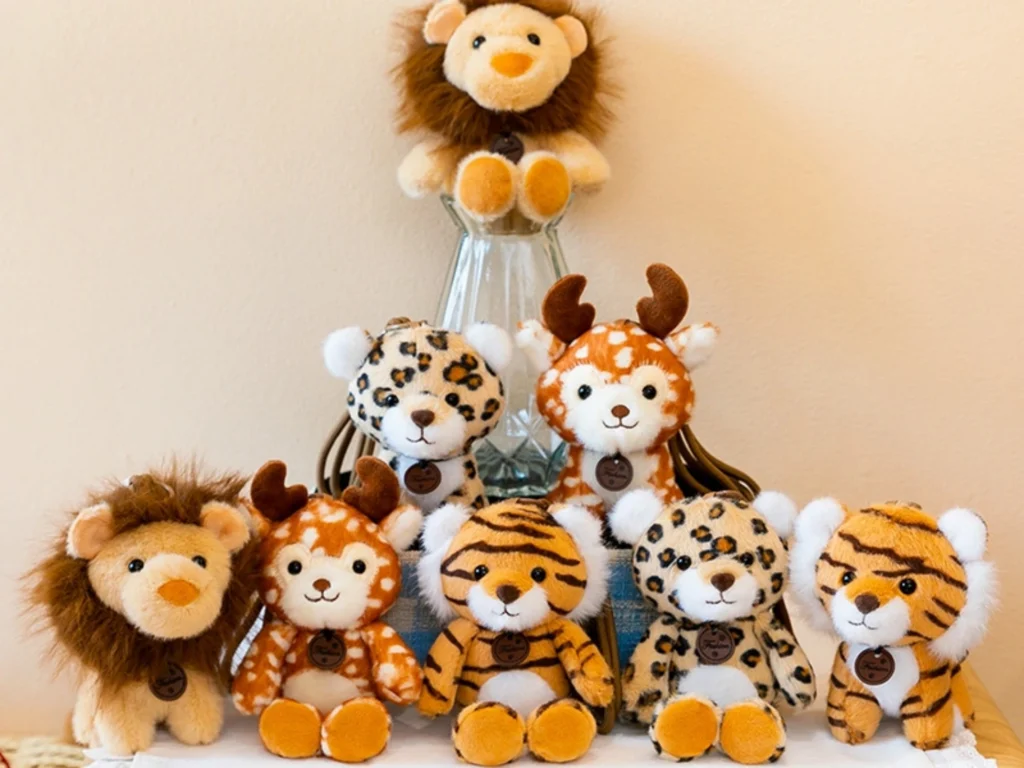
Materials and safety standards directly affect the quality, appearance, and market acceptance of custom plush products. A reliable custom plush toy manufacturer should provide suitable material recommendations and understand the safety requirements of different markets, especially for children’s products and retail sales.
Understand Material Options
The right materials help achieve the desired softness, appearance, and product quality. Buyers should consider:
- Outer Fabric – Such as short plush, velvet, faux fur, and cotton.
- Filling Material – Affecting softness, shape retention, and comfort.
- Special Effects – Different textures, colors, or finishes for specific designs.
For more details about plush fabrics and material selection, check our guide: Plush Toy Fabric Guide: Types, Features & How to Choose the Right Material.
Check Safety Standards and Certifications
For international plush products, safety compliance is an important consideration. Buyers should confirm whether the manufacturer is familiar with relevant standards, such as:
- ASTM F963 – Toy safety standard commonly used in the United States.
- EN71 – European toy safety standard.
- CPSIA – U.S. requirements for children’s product safety.
Working with a manufacturer familiar with these standards helps reduce compliance risks when selling in different markets.
5. Compare MOQ, Pricing, and Production Flexibility
MOQ and pricing are important factors when choosing a custom plush manufacturer, but the lowest price does not always mean the best supplier. Buyers should consider overall value, including production flexibility, product quality, packaging requirements, and delivery reliability.
6. Check Quality Control Processes
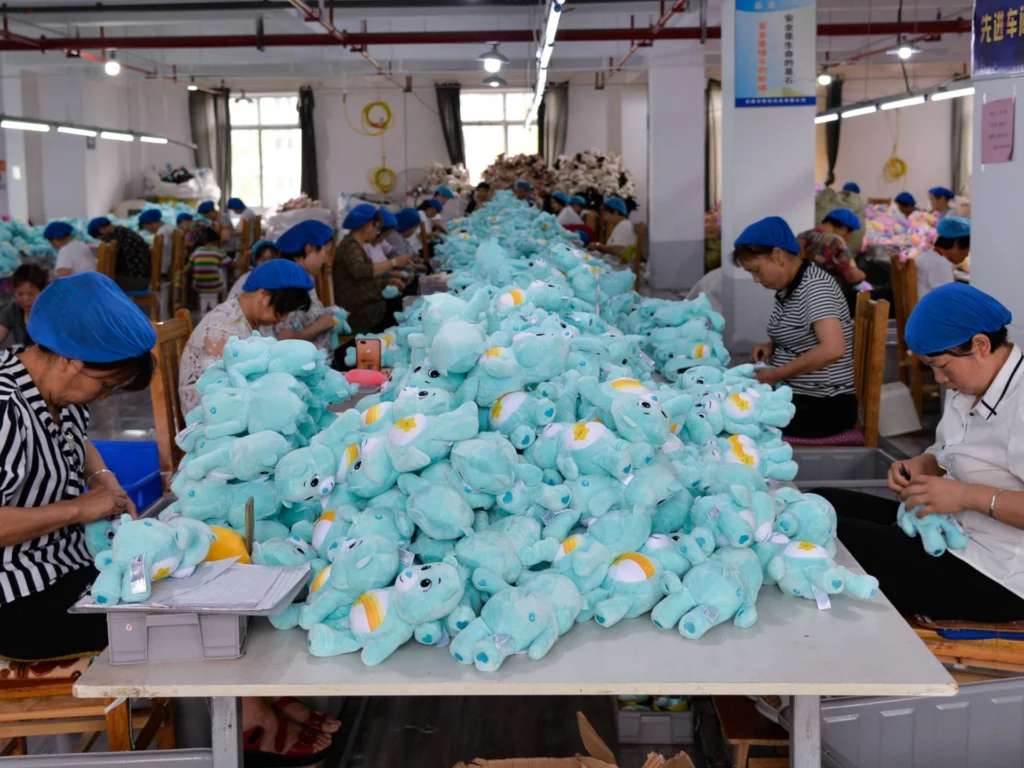
Quality consistency is essential for custom plush production, especially for large orders. A reliable manufacturer should have quality checks throughout the production process, including material inspection, sample confirmation, sewing and craftsmanship checks, and final inspection before shipment. This process should also include needle detection, which uses specialized equipment to check for potential metal needle fragments and ensure plush products are safe for delivery.
7. Evaluate Communication and Customer Support
Good communication can significantly improve the efficiency of a custom plush project. Buyers should choose manufacturers that provide clear updates, professional suggestions, and timely responses throughout design, sampling, production, and delivery.
8. Frequently Asked Questions About Custom Plush Toy Manufacturers
How do I choose a reliable custom plush toy manufacturer?
To choose a reliable custom plush toy manufacturer, buyers should evaluate the supplier’s experience, previous projects, manufacturing capabilities, quality control process, and communication efficiency. A manufacturer with relevant experience and a clear production process can help reduce development risks and ensure smoother cooperation.
Can a plush manufacturer create products from my own design?
Yes. Most professional custom plush toy makers can develop products based on sketches, artwork, character designs, or original concepts. They can help with pattern development, material selection, sampling, and production adjustments to turn ideas into finished plush products.
What is the MOQ for custom plush toys?
MOQ for custom plush toys depends on factors such as product design, materials, production methods, and manufacturer requirements. Different suppliers may have different minimum order quantities based on their production process and cost structure.
At Wehaoplush, our standard MOQ starts from 200 pieces, making custom plush production more accessible for startups, brands, and businesses testing new product ideas. Larger order quantities can also help improve cost efficiency for long-term production projects.
How long does it take to manufacture custom plush toys?
The production timeline depends on project complexity, sample approval speed, materials, and order quantity. Generally, the process includes design confirmation, sample development, adjustments, mass production, quality inspection, and shipping preparation.
At Wehaoplush, custom plush toy samples usually take 7–15 days, while mass production typically requires around 15–25 days after sample approval. The exact timeline may vary depending on product complexity, order volume, and customization requirements.
What safety standards should custom plush toys meet?
Custom plush toys for international markets may need to meet different safety requirements depending on the target region. Common standards include ASTM F963 in the United States, EN71 in Europe, and CPSIA requirements for children’s products.
How can I know if a plush toy manufacturer is reliable?
A reliable manufacturer should have proven project experience, transparent communication, stable production capabilities, and strict quality control procedures. Reviewing previous projects, production processes, and customer support ability can help buyers make a better decision.
Looking for a Reliable Custom Plush Manufacturer?
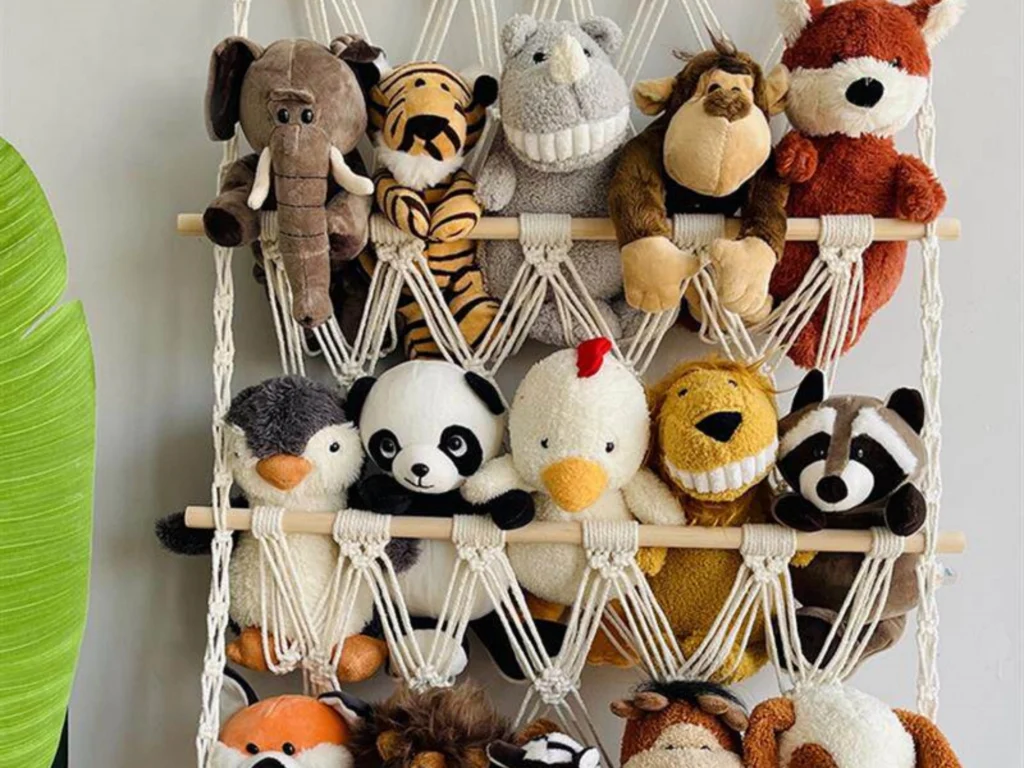
Choosing the right manufacturing partner is essential for successful custom plush projects. Wehaoplush provides OEM and ODM plush manufacturing services, supporting customers from design development and sampling to mass production and global delivery.
Why choose Wehaoplush:
- 10+ Years of Manufacturing Experience – Developing custom plush products for brands, retailers, and businesses.
- Flexible MOQ Starting from 200 Pieces – Suitable for startups, promotions, and product testing.
- Complete OEM Support – From design assistance and sampling to production and quality control.
Learn More About Our Plush Manufacturing Capabilities →
Ready to create your custom plush project? Contact Wehaoplush and share your ideas with us.