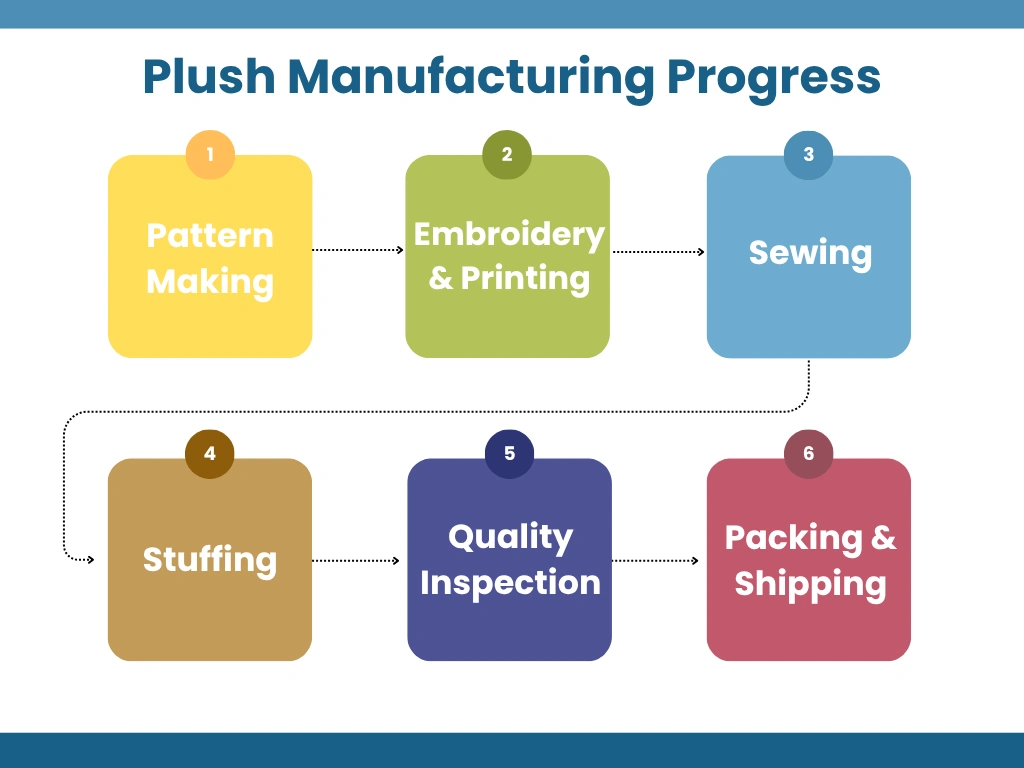
If you are developing custom plush toys for your brand, understanding how a professional OEM plush toy factory works can help reduce production risks, improve communication with suppliers, and make more informed sourcing decisions. Every stage of plush toy manufacturing—from design to delivery—can directly impact product quality, cost, and production efficiency.
This guide explains how custom stuffed animals are made, taking you through the complete manufacturing process from concept to mass production.
Custom Plush Toy Design & Concept Development
At the beginning stage of custom plush toy production, everything starts with an idea. Before any production begins, manufacturers evaluate whether the design is suitable for efficient mass production and translate it into a production-ready concept.
At this stage, key details such as design references, size, quantity (MOQ 200 pcs), materials, and packaging requirements are usually reviewed to support accurate development decisions.
Key decisions such as proportions, structure, facial expression, stitching segmentation, and overall style are finalized at this stage. Even small adjustments can significantly affect the final appearance and cost of the custom plush.
For brands, this step is not only about aesthetics but also about ensuring manufacturability and maintaining high production quality.
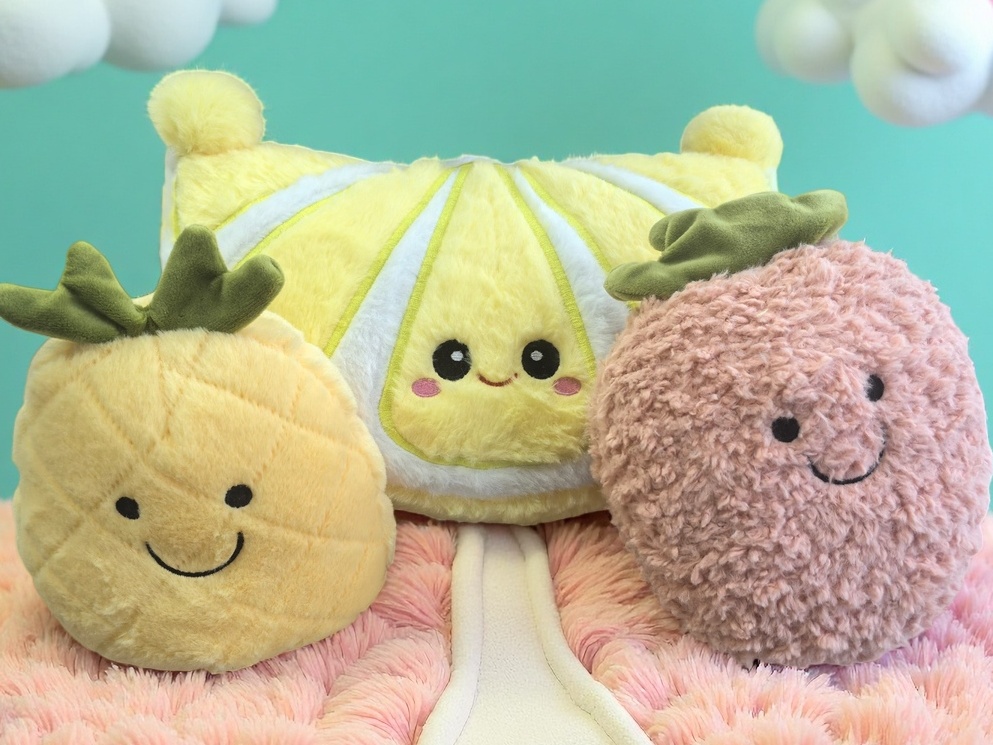
Material Selection (Short Plush, Velvet, Faux Fur etc.)
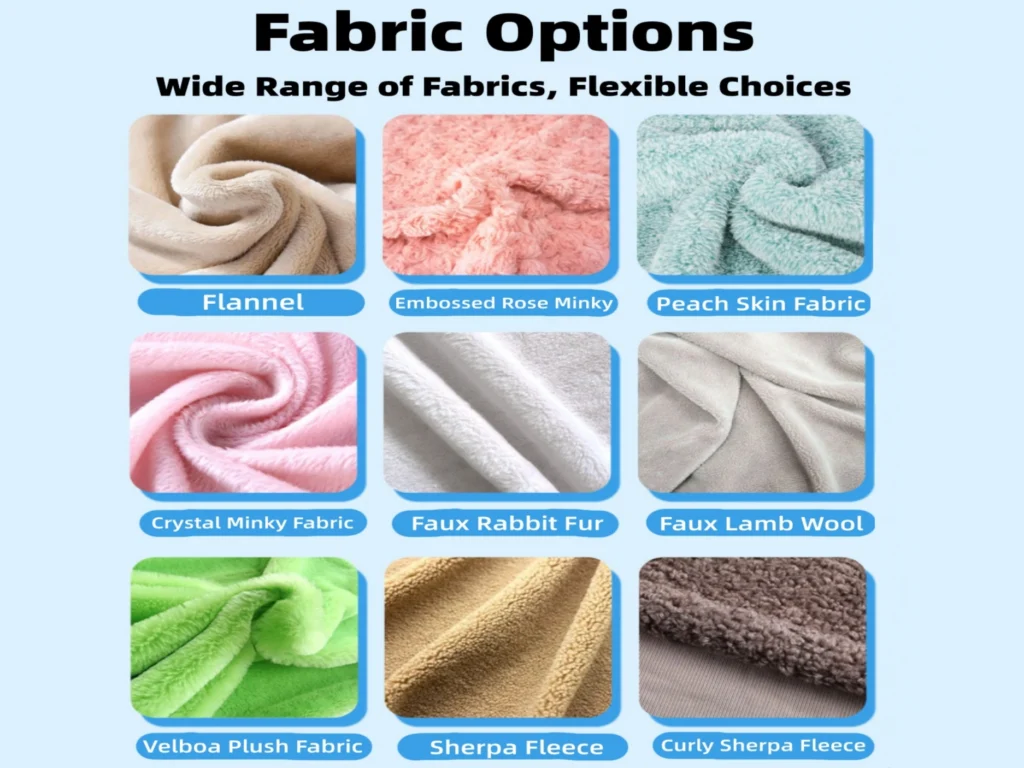
Material selection is one of the most important steps in custom plush toys production, as it directly affects texture, durability, appearance, and safety compliance. A professional custom plush manufacturer recommends suitable materials based on product positioning, target market, and budget, not just appearance. Material selection also considers durability, sewing performance, production efficiency, and shipping requirements.
Common fabrics include short plush, long plush, velvet, faux fur, and super-soft crystal fabric, each creating different visual and tactile effects for plush toys.
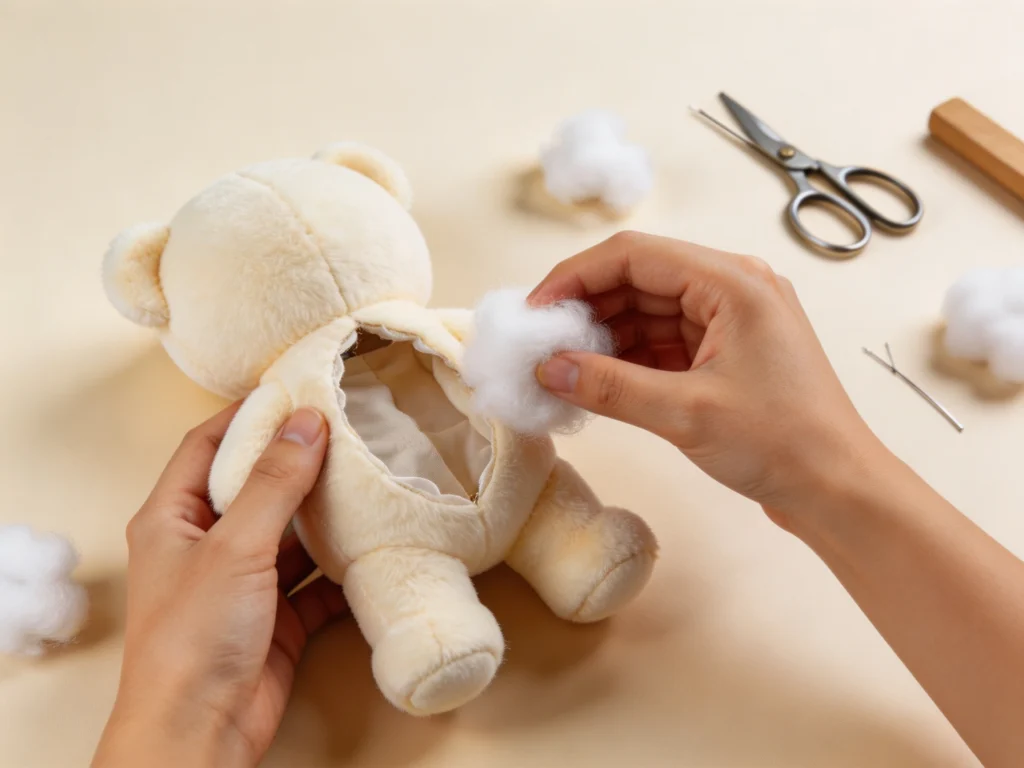
Inside filling materials are usually PP cotton or eco-friendly cotton. High quality custom stuffed animals require evenly distributed stuffing to maintain structural stability, especially for teddy bear-style products.
For export markets, materials must comply with ASTM, EN71, and CPSIA safety compliance standards to ensure safe and regulated production.
Pattern Making & Prototyping
After material selection is confirmed, custom plush toys move into the pattern making stage. The core purpose of this step is to convert a 2D design into a manufacturable 3D structure that can be consistently reproduced in an OEM plush toy factory.
Pattern makers break the design into multiple fabric panels and calculate seam lines, proportions, and stuffing space to ensure the final custom plush maintains symmetry and structural stability during mass production.
A prototype sample is then made to check how the design looks and works in real production. At this stage, the custom plush manufacturer often makes adjustments to proportions, stitching details, or material combinations based on physical results.
For complex stuffed animal designs or character-based plush toys, this step is critical because even minor structural deviations can significantly affect the final appearance.
Sample Approval Process
Sample approval is a critical control point in custom plush toys development. The OEM plush toy factory provides a physical sample so clients can evaluate the product in real form rather than relying on digital designs.
Clients typically inspect size accuracy, fabric texture, stitching quality, color matching, and overall structure. For custom stuffed animals, even small deviations can affect brand positioning and market acceptance.
At this stage, multiple feedback rounds between the client and manufacturer are common to refine the product before mass production. Experienced manufacturers encourage finalizing as many design details as possible during sampling, as changes after production begins are significantly more costly and time-consuming.
The main purpose of this process is to reduce production risks and avoid quality issues during mass production.
Mass Production Workflow
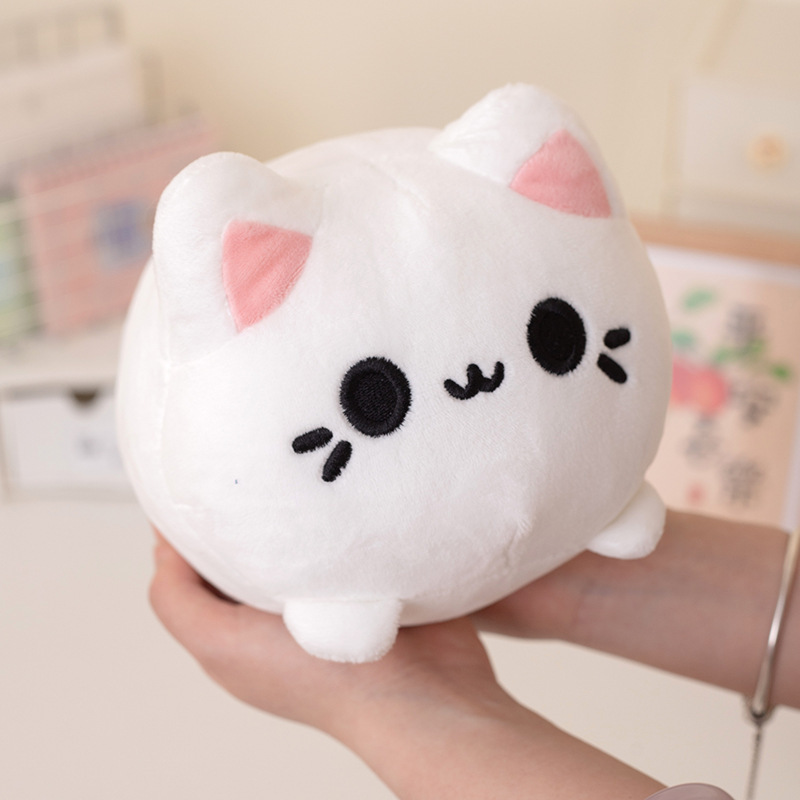
Once the sample is approved, custom plush toys move into mass production, where the OEM plush toy factory transforms the design into scalable output. At this stage, the focus is not just on quantity but on maintaining consistent high quality across all units.
The production process typically includes fabric cutting, sewing, stuffing, shaping, and finishing. Each stage is handled by specialized teams rather than a single operator, helping improve efficiency, consistency, and quality control.
During large-scale manufacturing, the custom plush manufacturer performs in-line inspections to detect issues such as stitching defects, uneven stuffing, or structural deviations before they spread across the batch of custom stuffed animals.
For export orders, consistency is a critical factor, especially for retail and branded plush toys that require stable quality across all units.
Quality Control & Safety Testing
Quality control is a crucial stage in custom plush toys production, especially for international markets that require strict safety compliance standards. An OEM plush toy factory not only focuses on appearance but also ensures durability and safety.
Inspection includes stitching strength, fabric quality, color consistency, and stuffing distribution. For high quality plush toys, even minor defects can lead to rejection of the entire batch.
In addition, needle detection machines are commonly used to ensure no metal fragments remain in the final products, which is especially important for teddy bear and children’s plush toys.
For export orders, products are typically manufactured in compliance with international safety standards such as ASTM, EN71, and CPSIA. Many professional factories also maintain production records and inspection reports to ensure full traceability for quality control and export requirements.
Insights from manufacturing and sourcing platforms such as Sourcify China also highlight that successful custom manufacturing depends on strong supplier capability, process control, and consistent quality across all production stages.
Packaging & Global Shipping
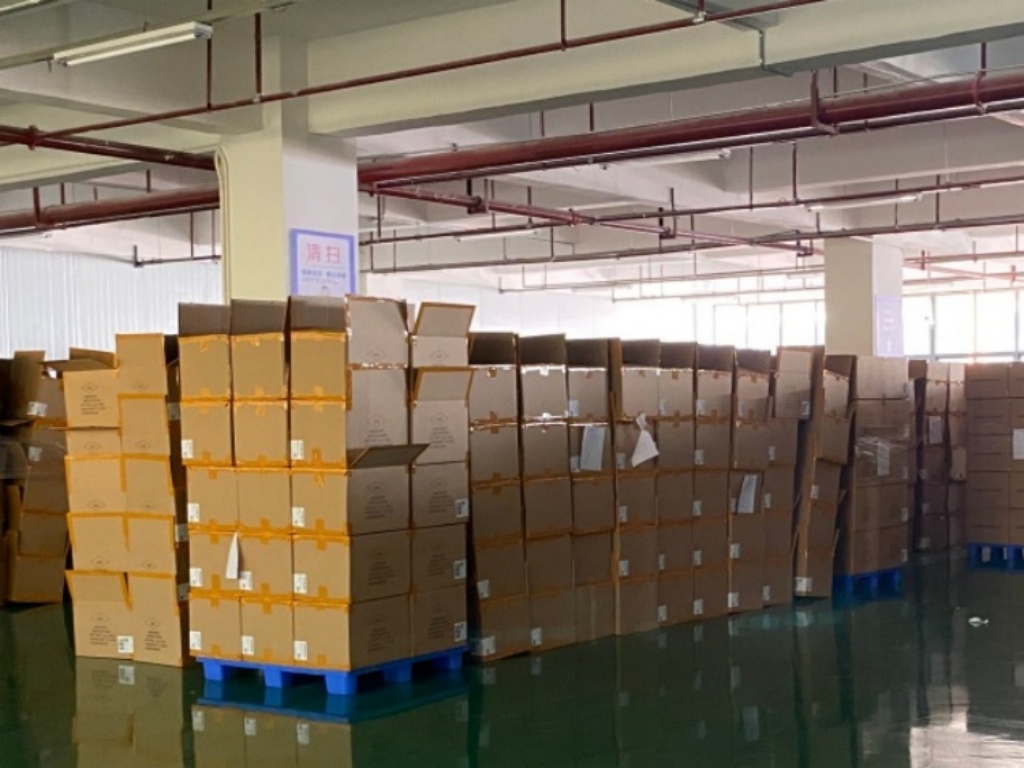
After quality inspection is completed, custom plush toys move into the packaging and logistics stage. This step not only affects product presentation but also directly impacts shipping cost and delivery efficiency, especially for international orders handled by an OEM plush toy factory.
Packaging methods generally include retail individual packaging and bulk shipping packaging. Brands may choose different options depending on positioning. For example, custom stuffed animals for retail require more refined packaging, while bulk orders focus on cost and logistics efficiency.
A custom plush manufacturer often optimizes compression packaging to reduce volume without damaging the structure of plush toys, helping lower shipping costs.
Shipping methods typically include sea freight, air freight, and express delivery depending on timeline, budget, and destination.
Why Choose Wehaoplush as Your Custom Plush Manufacturer?
Choosing the right custom plush manufacturer is a key factor in product success. Wehaoplush, as a professional OEM plush toy factory, provides complete solutions from design to mass production.
✔ OEM & ODM Expertise
We support both original design manufacturing and custom development for brands from concept to finished product.
✔ Certified Materials
All materials comply with international safety standards such as ASTM, EN71, and CPSIA.
✔ Professional Sampling
Sample development is handled efficiently with 5–10 day turnaround and detailed refinement before mass production.
✔ Stable Mass Production
Scalable production capacity ensures consistent quality for both small and large orders.
✔ Strict QC System
Multiple inspection stages are applied throughout production to ensure product consistency and safety.
✔ Global Logistics Support
We provide flexible shipping solutions including air, sea, and express delivery for worldwide markets.
We also offer flexible MOQ options (200 units, depending on design complexity), with optimized production timelines of 15-25 days for mass production.
FAQ
Q1: What is the MOQ for custom plush toys at Wehaoplush?
At Wehaoplush, MOQ for custom plush toys is typically 200 pieces depending on design complexity and materials. Smaller orders are possible, but unit price and shipping cost will be higher.
Q2: How long does sampling and production take?
Sample production usually takes 5-10 days. After approval, mass production takes around 15-25 days depending on order size.
Q3: Can Wehaoplush produce fully customized plush toys?
Yes, Wehaoplush supports fully customized plush toys including design, materials, embroidery, labels, and packaging.
Q4: What safety standards are supported?
Wehaoplush ensures compliance with ASTM, EN71, and CPSIA safety standards for export markets.
Q5: What types of plush products can be made?
Wehaoplush can manufacture a wide range of custom plush products, including custom mascot plush, custom kawaii plush, custom IP plush based on licensed or original characters, custom decorative plush for home and brand display, custom collectible plush for limited editions or retail markets, and custom animal plush designed for various brand applications.
Explore More & Get Started
If you are developing custom plush toys for your brand, you can explore two options based on your needs:
👉 Read our guide on how to order custom plush toys for key purchasing insights.
👉 Explore more about Wehaoplush custom plush solutions and manufacturing capabilities.
Contact Wehaoplush for a free quotation.